
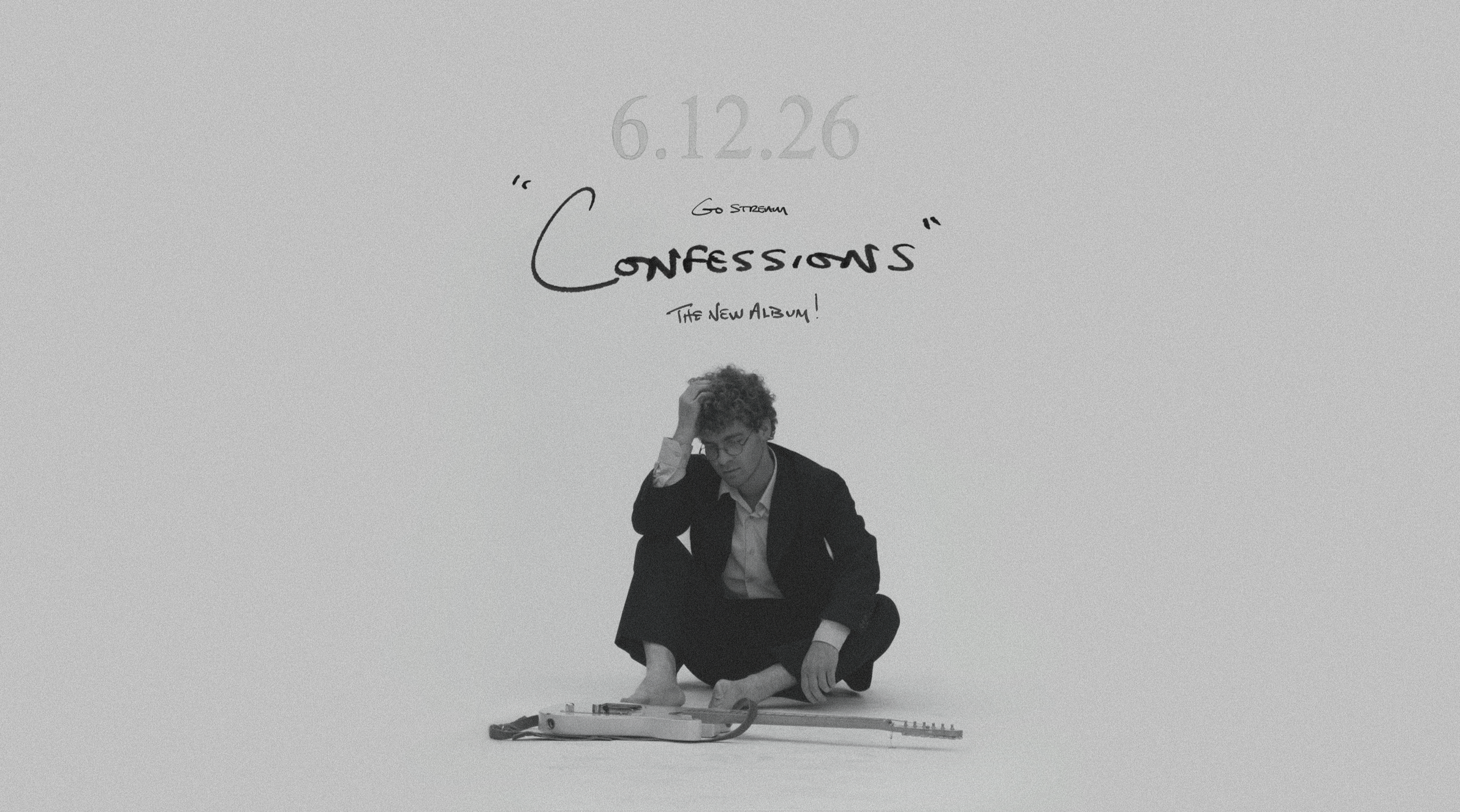

Click HERE, Mimi!
Love you, Robert
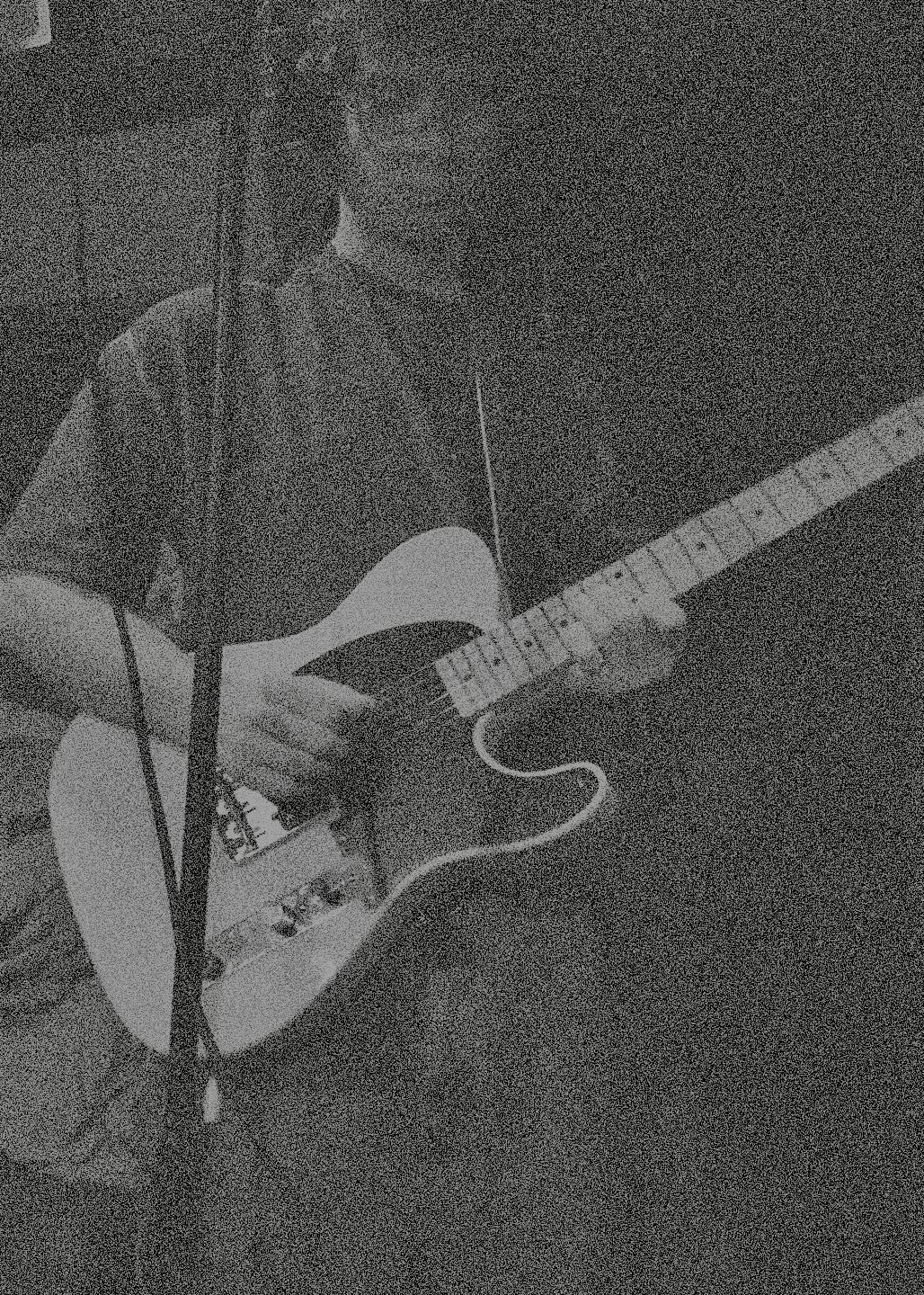
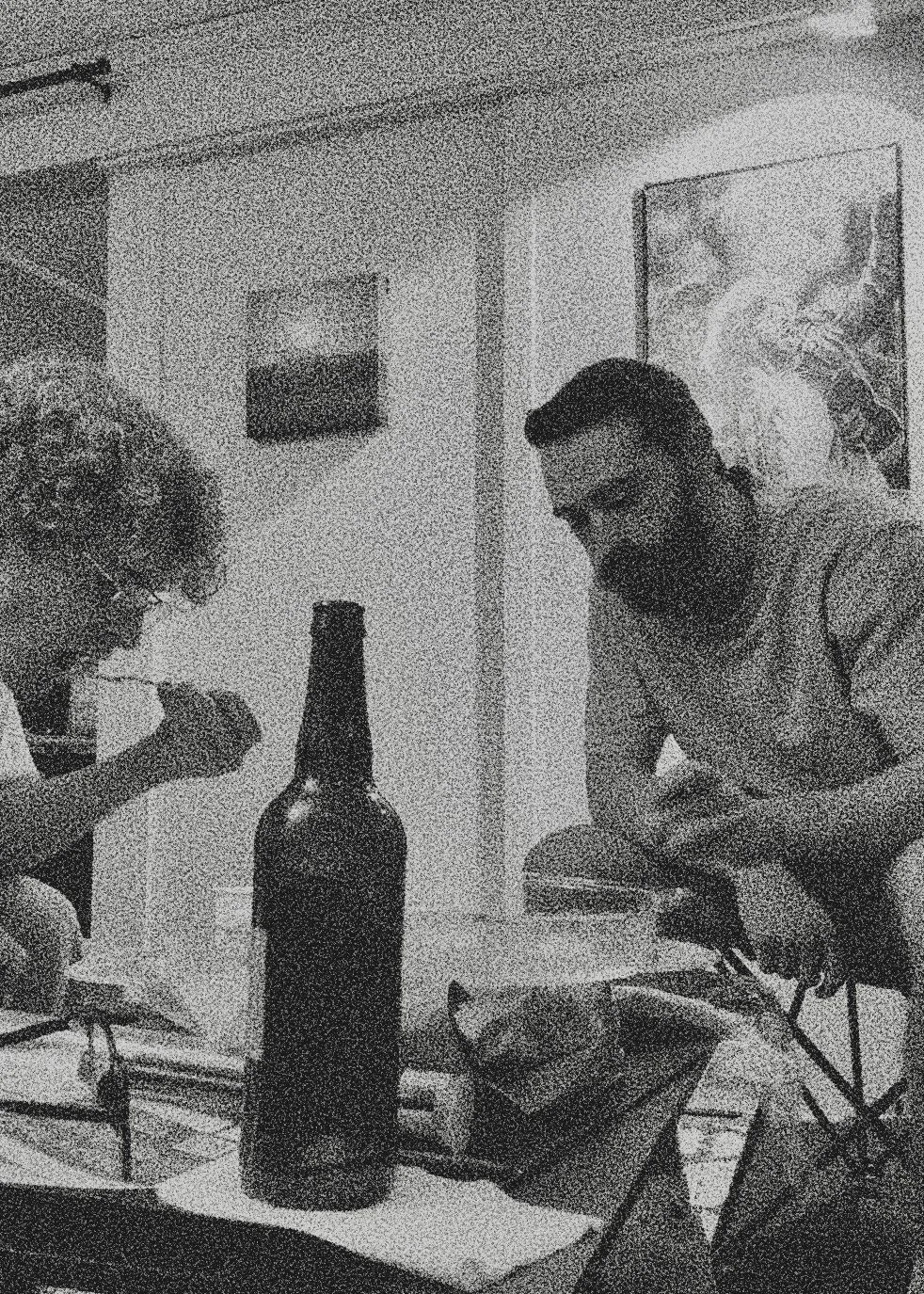
Confessions: The Interview
Jones: Are you a Christian artist?
Bruder: That’s for my audience and God to decide, I guess. I’m just doing the best I can.
Jones: Who is your audience?
Bruder: I make music for me and my friends, whoever they may be.
Jones: A lot of independent artists have to wear multiple hats to make their art happen. How does your day-to-day life outside of writing music feed into your creative energy, or do you view music as an escape from it?
Bruder: What?
Jones: Well, in an era of the hyper-polished, heavily produced music and highly curated social media personas we see today, your aesthetic feels intentionally unpretentious. Is it difficult to stay grounded and resist the urge to play a character' or look like a try-hard in the modern music industry?
Bruder: That sounds like a conflict of terms, and a confusing place to be. You could say I’m just pretending to be pretentiously unpretentious. I spent a lot of time, too much time, on this album.
Jones: So you are pretentious?
Bruder: Sometimes…potentially [smirks].
Jones: Who’s someone you hope to work with in the future?
Bruder: Jesus, usually [smirks, again]. I also hope to work with Steve [Polis] again, he mixed and mastered this record for me and I am really pleased with it. He’s a good friend, too. Paul McCartney.
Jones: You definitely seem to admire Paul. You recorded this project all by yourself, right?
Bruder: Yeah.
Jones: Why is the label named FIG? What is the significance of the fig to you?
Bruder: It’s a prayer which I hope will bear fruit.
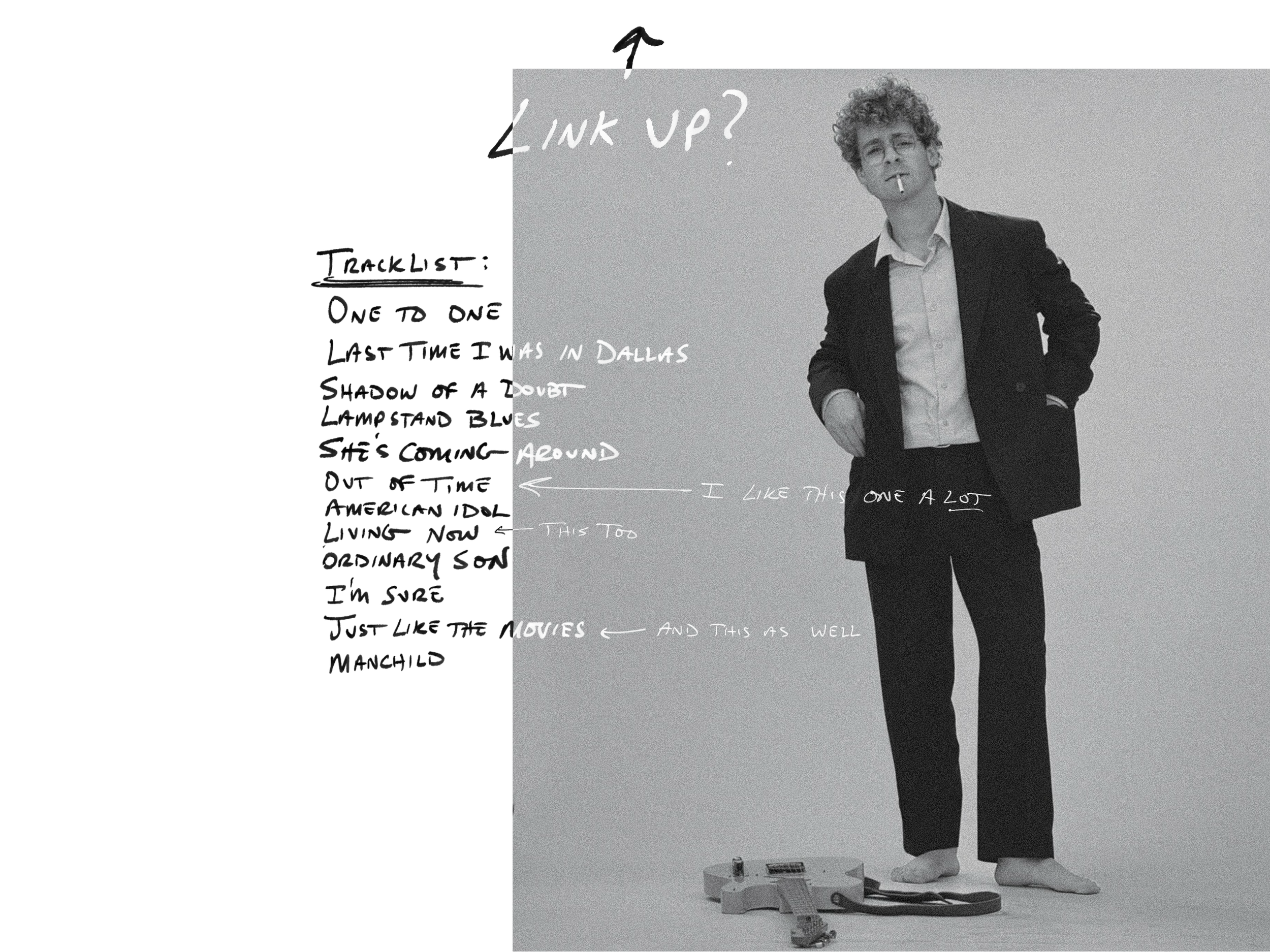
Jones: The term "Manchild" appears as a core-realization for you on this project. At what point does a person realize they are stuck between youth and adulthood?
Bruder: One must be a child to see God, right? That’s what they always told me.
Jones: Then why do you ask in the song, 'Why didn't anybody tell me I'm a Manchild?'? Did they let you know, or not?
Bruder: They left out some crucial details.
Jones: Like what?
Bruder: Patience. That it’s okay to be somewhere between now and then, and maybe that it’s important to be humiliated so that you can see yourself more clearly.
Jones: Humiliated?
Bruder: Well, in order to be humble we must be humiliated. I’m not talking about the in-your-underwear-in-front-of-the-class kind of humiliation, though I suppose that has its worth. I’m talking about being emptied: becoming empty so that maybe you can be filled. That’s what we are all looking for here, fulfillment…no?
Jones: In the song Living Now: When the lyric mentions "pills" or a decade spent "stoned," is that a literal retrospective or a metaphor for a period of numbness?
Bruder: Both. I’m not too interested in talking about that, though.
Jones: That’s okay. What exactly constitutes the "American Lie" you seem to reference throughout the album?
Bruder: Someone recently went to their 10-year high school reunion and, of all the hundreds of people who were there, I heard that not one person was married, owned a house, or had kids. That seems like a problem to me, right?
Jones: Yes.
Bruder: Plus, I think that lyric only appears once on the record…but you might know better than me.
Jones: There appear, to me, to be multiple references to an empire in decline on this project: Moral decay, apocalyptic figures…Personal responsibility…American Idol, Donald Trump (who you mention by name here). It’s as if you’re yearning for a time that has long since passed by. What are your politics?
Bruder: Those are my politics.
Jones: What?
Bruder: I want to care about people.
Jones: You feel you don’t care enough?
Bruder: If I cared as much as I should I’d probably be a Priest or dead…or both [laughs].
Jones: Is the song “Lampstand Blues” an admission of failure to live up to a certain moral or spiritual standard?
Bruder: I think I was just angry with a friend that day.
Jones: If the album is a "confession”, who is the intended confessor— the audience, a higher power, or a past version of the self?
Bruder: Who, or what’s, your highest power?
Jones: I don’t think I have one, but I am open to the possibility of…